Musk loses in under two hours. Google drops Gemini 3.5, an agent platform called Antigravity, and a 24/7 personal AI agent. Warsh takes the Fed oath from Trump himself. The S&P posts its 8th straight weekly gain. Everything we previewed last week — landed.
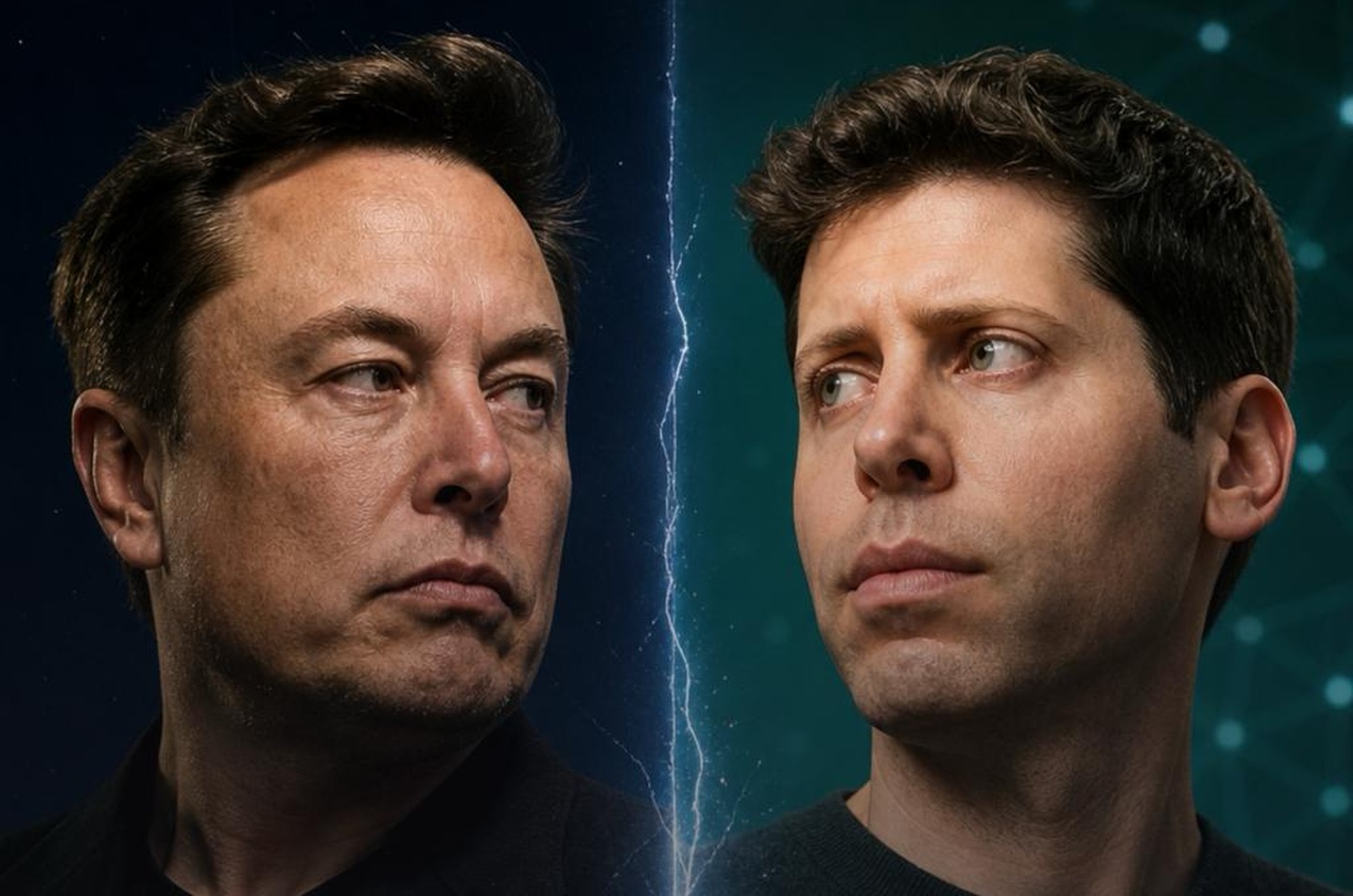
Last week we told you five things were coming. All five hit.
The Musk vs. Altman jury came back in under two hours — unanimous, on a technicality, and devastating. Google dropped Gemini 3.5, an entirely new agent platform, and announced the end of the search box as we know it. Kevin Warsh raised his right hand at the White House while Trump held the Bible. The S&P extended its winning streak to 8 consecutive weeks — the longest since 2023. And the Iran ceasefire that would unlock Hormuz is still one handshake away from changing everything.
This wasn’t five different stories. This was one story: who controls AI, who controls money, and who gets to decide. The verdicts are in. Here’s what they mean.
Nine jurors. Under two hours. Unanimous. It’s over.
After three weeks of testimony from the most powerful people in tech — Elon Musk, Sam Altman, Satya Nadella, Ilya Sutskever — the jury in Oakland took less than two hours to throw out the entire case. Not on the merits. On the clock. They found Musk waited too long to file, and Judge Yvonne Gonzalez Rogers immediately accepted the finding and dismissed every claim.
The $150 billion lawsuit. The demand to unwind OpenAI’s for-profit conversion. The claim that Microsoft aided and abetted the whole thing. All gone. Microsoft’s stock ticked up 2% on the news.
Musk vowed to appeal. But the practical effect is immediate: OpenAI’s path to an IPO is now clear. The biggest legal threat hanging over the most valuable AI company in the world just evaporated. Altman walked out of the courthouse and got back to work.
Google didn’t just announce models. They announced a platform shift.
While the world was watching an Oakland courtroom, Google quietly declared the chatbot era dead. At I/O 2026, Sundar Pichai unveiled Gemini 3.5, an agent-first development platform called Antigravity, and a 24/7 personal AI agent called Gemini Spark. Search got its biggest upgrade in nearly 30 years. Samsung showed AI glasses shipping this fall. Over 100 announcements in two days.
Kevin Warsh raised his right hand. Trump held the Bible.
The 17th Federal Reserve Chair was sworn in at the White House on Friday — the most politically staged Fed transition in modern history. Warsh was confirmed 54–45 in the most divisive vote for a Fed Chair ever. Only one Democrat, Pennsylvania’s John Fetterman, crossed party lines.
Powell isn’t leaving. He’ll stay on the Board of Governors until at least January 2028, creating an unprecedented dynamic: the old boss and the new boss sitting at the same table. Powell’s stated reason for staying is to see through a DOJ investigation into Fed headquarters renovations. The real reason is insurance — the institutional immune system protecting itself.
Warsh inherits 3.8% CPI, a war driving oil prices, a president demanding rate cuts, and a board with 4 recent dissents. His first FOMC meeting is June 16–17. Markets are pricing in a hold through 2026. The question nobody is asking: what happens when Trump realizes his handpicked chair can’t cut?
8 weeks straight. The S&P hasn’t done this since 2023.
Despite CPI at a three-year high, a Fed leadership change, and an ongoing Middle Eastern conflict, the S&P 500 posted its eighth consecutive weekly gain. Markets are betting on resolution — Iran ceasefire progress, AI investment acceleration, and a new Fed Chair who might eventually lean dovish.
The US and Iran signaled progress on ceasefire talks again Friday, but the Strait of Hormuz toll remains a sticking point. Oil is driving 40% of CPI. Every week Hormuz stays contested is another week the Fed can’t cut. This is the invisible thread connecting every headline — and the reason your Memorial Day gas bill hurts.
Three stories that got buried under the headlines but matter just as much.
Everyone spent three weeks watching an Oakland courtroom to find out who owns the past of AI. The jury answered in less time than it takes to watch a movie: nobody does, and it doesn’t matter. Statute of limitations. Case dismissed. Move on.
Meanwhile, 400 miles south in Mountain View, Google was answering the more important question: who owns the future? Antigravity isn’t a model. It’s a platform. The same way Android didn’t compete with the iPhone — it competed with the idea that phones need a platform at all. If developers build on Antigravity, the “which chatbot is best” debate becomes as irrelevant as “which flip phone had the best antenna.”
And then there’s Warsh. The most politically staged Fed transition in history. Trump holding the Bible. A 54–45 vote. A chair who owes his job to the president and inherits an economy that makes cutting rates impossible. The tension between what Warsh was hired to do and what the data allows him to do will define the second half of 2026.
The market doesn’t care about any of this drama. Eight weeks straight. The S&P is telling you it believes in resolution — Iran progress, AI spending, eventual rate relief. Whether the market is right or delusional is the question nobody can answer yet.
Join North American professionals who get The Ledger Wire every Wednesday — AI and finance intelligence in 5 minutes flat.
🎉 You're in! Briefing #12 lands next Wednesday.
🔒 Free forever. No spam. Unsubscribe anytime.